EV charging overstay fees can occasionally surprise electric vehicle drivers across the United Kingdom when they see an idle charge on their receipt after using a public charger. If you have ever wondered why charge point operators enforce these extra charges once your battery reaches full capacity, the short answer comes down to fairness, availability, and keeping busy transport corridors moving smoothly.
Public electric vehicle chargers are active refuelling bays rather than permanent parking spaces. When an electric vehicle remains plugged in or parked in a charging bay after completing its session, it prevents another driver who might be low on range from accessing essential power.
If your business is looking to reduce operational emissions without long term financial risk, hiring electric cars or commercial vans is a smart step forward. Partnering with specialist providers like EVision Electric Vehicles gives you flexible access to modern electric fleets.
By pairing hired electric vehicles with ultra rapid solar powered charging hubs like Tap Zap Go, your organisation can cut carbon emissions, satisfy sustainability requirements, and keep daily travel costs completely transparent.
The next time you stop to recharge at a Tap Zap Go station in Strood, Castleford, or Membury, keep an eye on your battery level. Understanding how EV charging overstay fees work and moving your vehicle within five minutes of completing your charge keeps the network moving efficiently for fellow drivers while ensuring your quick top up remains fast, green, and affordable.
Information correct at the time of publishing on 21st August 2026.
The Purpose of Public EV Charging Overstay Fees
As electric vehicle adoption grows across England, Scotland, and Wales, demand for high power ultra rapid charging hubs has reached record levels. Implementing EV charging overstay fees helps establish good charging etiquette and maintain high infrastructure availability for everyone.Eliminating Bay Blocking and Idle Times
Ultra rapid chargers are engineered for fast turnarounds. A high performance 120 kW charger can top up an electric car battery from twenty percent to eighty percent in roughly twenty minutes. If a vehicle stays parked in that bay for an extra hour after finishing its charge, the throughput of that charging hub drops dramatically. Enforcing EV charging overstay fees encourages drivers to return promptly to their vehicles.Reducing Queue Times for Commercial and Private Drivers
For fleet operators, courier drivers, and business commuters, long queues at public charging stations mean costly downtime. Clear rules surrounding EV charging overstay fees ensure that as soon as a vehicle completes its session, the bay frees up for the next motorist in line.Promoting Fair Access Across Busy Networks
Charge points located at business parks, retail centres, and service stations experience heavy peak demand. Having transparent EV charging overstay fees discourages drivers from treating high speed charging bays as extended parking spots while shopping or working.How Tap Zap Go Manages EV Charging Overstay Fees Fairly
The team at Tap Zap Go believes that charging rules should be completely transparent, fair, and easy to understand. Rather than surprising drivers with hidden costs or steep penalties, Tap Zap Go sets out clear conditions for EV charging overstay fees alongside some of the most competitive ultra rapid rates in the UK market.Tap Zap Go Pricing and Overstay Structure
- Ultra Rapid Power: 120 kW CCS2 chargers
- Unit Price: £0.49 per kWh, including VAT
- Overstay Rate: £0.50 per minute
- Grace Period: 5 minutes after charging completes
- Payment Method: Direct contactless payment via bank card or mobile payment terminal
Simply Tap Your Card and Charge: No Apps, No Fuss
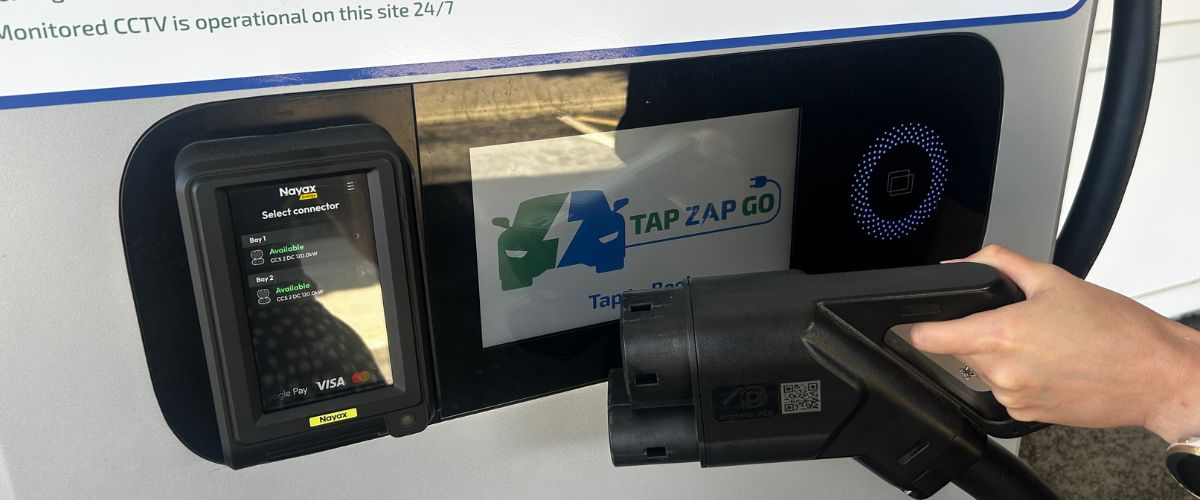
Understanding your charging status is effortless with Tap Zap Go. Traditional public charging networks often force drivers to register accounts, download slow smartphone applications, or carry plastic RFID membership cards just to start a charge or check session details. Tap Zap Go keeps the entire experience straightforward:- Tap: Touch your contactless debit card, credit card, or smart device against the payment reader.
- Zap: Connect the high power 120 kW CCS2 connector to your vehicle.
- Go: Enjoy clean, solar powered electricity and get back on the road.
Strategic Tap Zap Go Ultra Rapid Locations
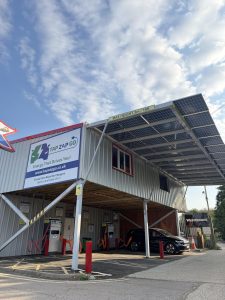
Whether you are managing a commercial delivery route or taking a regional business trip, Tap Zap Go operates high speed 120 kW CCS2 charging hubs across key industrial and travel corridors:- Strood, Medway (Kent): Whitewall Centre, Whitewall Road, Medway City Estate, Strood, Kent, ME2 4DZ What3words location: ///crop.cones.haven
- Castleford (West Yorkshire): Willowbridge Lane, Castleford, West Yorkshire, WF10 5NW What3words location: ///brink.bubble.coarser
- Beside Membury Services (Berkshire): Beside Westbound Membury Services, Lambourn Woodlands, Hungerford, Berkshire, RG17 7TJ What3words location: ///mallets.butchers.umbrella