Understanding EV charging speeds, charger types and battery sizes
One of the most common questions people ask when considering an electric vehicle (EV) is: how long does it take to charge? The answer depends on a few different factors, including your vehicle’s battery size, the type of charger you use, and how much charge you actually need.
In this post, we will break it down with real examples and explain how long it takes to charge different cars using various types of chargers.
Types of EV Chargers
There are three main categories of EV chargers:
Slow chargers (3 to 6 kW): Often found at home or in workplaces. These are best for overnight charging.
Fast chargers (7 to 22 kW): Found in many public locations such as shopping centres or car parks. Suitable for topping up while parked for a few hours.
Rapid and ultra-rapid chargers (50 to 150+ kW): Located at service stations, retail parks and key routes. These offer the fastest charging and are ideal for longer journeys.
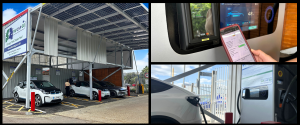
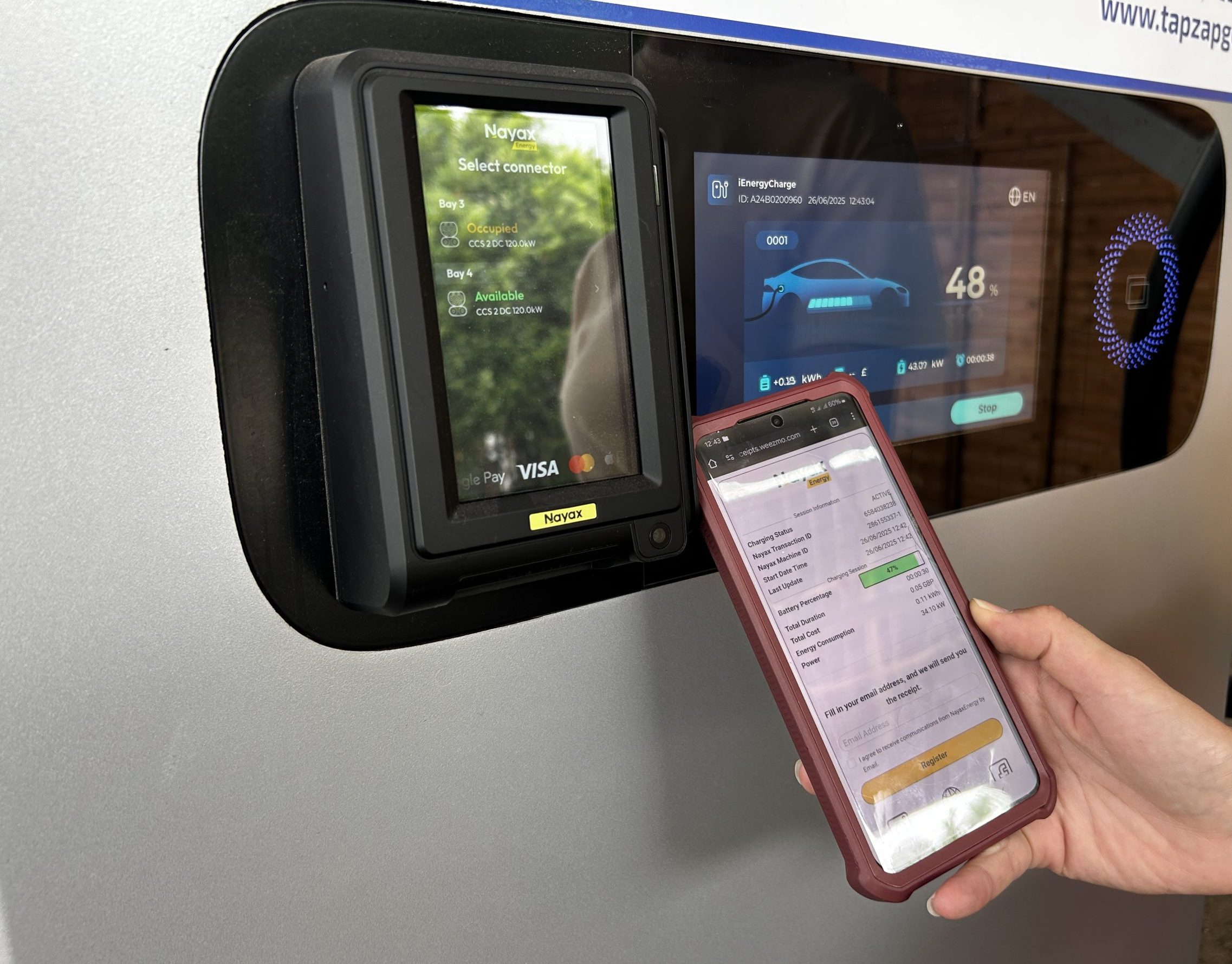
At Tap Zap Go, we offer ultra-rapid 120 kW chargers. These are perfect for drivers who want to recharge quickly and get back on the road with minimal delay.
Charging Time Examples
Here is a rough guide to how long it takes to charge some popular EVs from 10% to 80%, depending on the charger type:
| Vehicle | Battery Size | 7 kW Charger | 50 kW Charger | 120 kW Charger |
|---|---|---|---|---|
| Renault Zoe | 52 kWh | Around 5.5 hours | Around 1 hour 10 minutes | Around 45 minutes |
| Nissan Leaf (40 kWh) | 40 kWh | Around 5 hours | Around 45 minutes | Around 30 minutes |
| Tesla Model 3 Long Range | 75 kWh | Around 11 hours | Around 1 hour 15 minutes | Around 25 to 30 minutes |
| Kia EV6 | 77.4 kWh | Around 11.5 hours | Around 1 hour 20 minutes | Around 20 to 25 minutes |
| Hyundai Kona | 64 kWh | Around 9.5 hours | Around 1 hour | Around 35 minutes |
Please note these are estimates and actual charging times may vary depending on temperature, battery condition, and your vehicle’s maximum charging rate.
What Affects Charging Time?
There are several key factors that influence how long an EV takes to charge:
Battery size: Larger batteries take longer to charge but usually provide more range.
State of charge: Charging is usually quicker from 10% to 80%. Topping up from 80% to 100% tends to be slower.
Vehicle limitations: Some cars cannot accept high-speed charging even if connected to a powerful charger.
Charger output: Not all public chargers deliver the same power. Ultra-rapid chargers, like those at Tap Zap Go, offer much faster charging than standard public units.
Temperature: Cold weather can reduce charging speed and battery efficiency.
Tap Zap Go Makes Charging Simple
We keep things easy with clear pricing and high-speed charging. Our ultra-rapid 120 kW chargers are priced at just £0.49 per kWh (including VAT).
To make sure everyone gets fair access, we apply an overstay fee of £0.50 per minute after the first five minutes once your charge is complete. This applies whether your vehicle is still plugged in or just left in the charging bay.
Charging times are no longer a major concern for most EV drivers. With more ultra-rapid chargers across the UK, it is now quicker than ever to top up your battery, especially on longer journeys. Whether you are new to electric or already driving one, understanding how your car charges helps you make the most of every journey.
Keep following the Tap Zap Go blog for more useful EV tips, news and updates.
All information correct at the time of posting on 15th June 2025.