As the United Kingdom works towards its legally binding target of achieving Net Zero greenhouse gas emissions by 2050, commercial organisations across Britain face growing pressure to reduce their carbon footprint. From regulatory compliance under the Streamlined Energy and Carbon Reporting (SECR) framework to meeting corporate tenders and client sustainability standards, corporate decarbonisation has become a central strategic priority.
One of the most immediate and impactful actions a company can take to slash operational emissions is converting transport operations from fossil fuel internal combustion engines to electric vehicles (EVs). Understanding how commercial electric vehicles directly influence carbon accounting across Scope 1, Scope 2, and Scope 3 emissions is key to building a robust sustainability strategy.
Decarbonisation Through Carbon Accounting: Scope 1, 2, and 3 Explained
The global Greenhouse Gas Protocol categorises corporate greenhouse gas emissions into three distinct groups. Evaluating your commercial transport against these three pillars reveals how transitioning to electric cars and vans yields dramatic carbon reductions across your entire organisation and go towards net zero.
Scope 1 Emissions: Eliminating Direct Fleet Emissions
Scope 1 covers direct emissions produced by sources that an organisation owns or directly controls. For most UK businesses, petrol and diesel burned by company cars, light commercial vans, and heavy goods vehicles represent the single largest component of their Scope 1 inventory.
-
The EV Solution: Tailpipe emissions from battery electric vehicles are absolute zero. Replacing company owned internal combustion engine vehicles with electric alternatives immediately eliminates fossil fuel combustion from your day to day road activities, driving your direct Scope 1 vehicle transport footprint straight to zero.
Scope 2 Emissions: Managing Indirect Energy Consumption
Scope 2 encompasses indirect emissions resulting from the generation of purchased electricity, heat, or cooling consumed by your company operations.
-
The EV Solution: When you shift your fleet to electric power, energy consumption transfers from fossil fuel fuel cards (Scope 1) to electricity consumption (Scope 2). Because the UK national grid is rapidly decarbonising with expanding wind, solar, and nuclear power, the carbon intensity of grid electricity continues to drop year on year. Furthermore, when vehicles are charged via dedicated solar powered infrastructure or green energy tariffs, the net carbon impact drops even lower.
Scope 3 Emissions: Cleaning Up the Value Chain and Grey Fleet
Scope 3 covers all other indirect emissions generated across an organisation’s wider value chain, both upstream and downstream. This includes third party logistics, leased assets, employee commuting, and the widely discussed grey fleet (employees driving personal cars for work purposes).
-
The EV Solution: Encouraging staff to switch to electric vehicles for business journeys, contracting zero emission transport partners, or adopting electric vehicle rental models directly tackles Scope 3 reporting hotspots.
Accelerating Net Zero via Flexible Electric Vehicle Hire
Purchasing a full commercial fleet outright requires substantial capital outlay and exposes businesses to long term depreciation risks. Long term leasing contracts can also lock businesses into multi year obligations before they fully understand their operational mileage requirements.
Hiring electric cars and vans offers a flexible, risk free gateway to commercial decarbonisation. Renting through commercial specialists such as EVision Electric Vehicles allows organisations to test zero emission transport within real world daily operations.
Benefits of Commercial EV Rental:
-
Instant Emission Reductions: Scale up zero emission transport during peak seasonal periods or project based contracts without long term financial strain.
-
Operational Fleet Testing: Evaluate different vehicle battery ranges, payload capacities, and body styles across various delivery routes prior to capital investment.
-
Scope 3 Decarbonisation: Provide temporary electric cars or vans to contractors and grey fleet employees to eliminate business travel carbon expenses.
Reliable Ultra Rapid Charging Infrastructure Across the UK
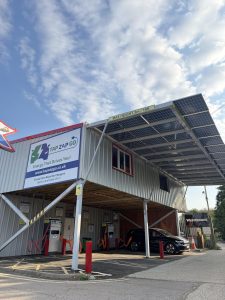
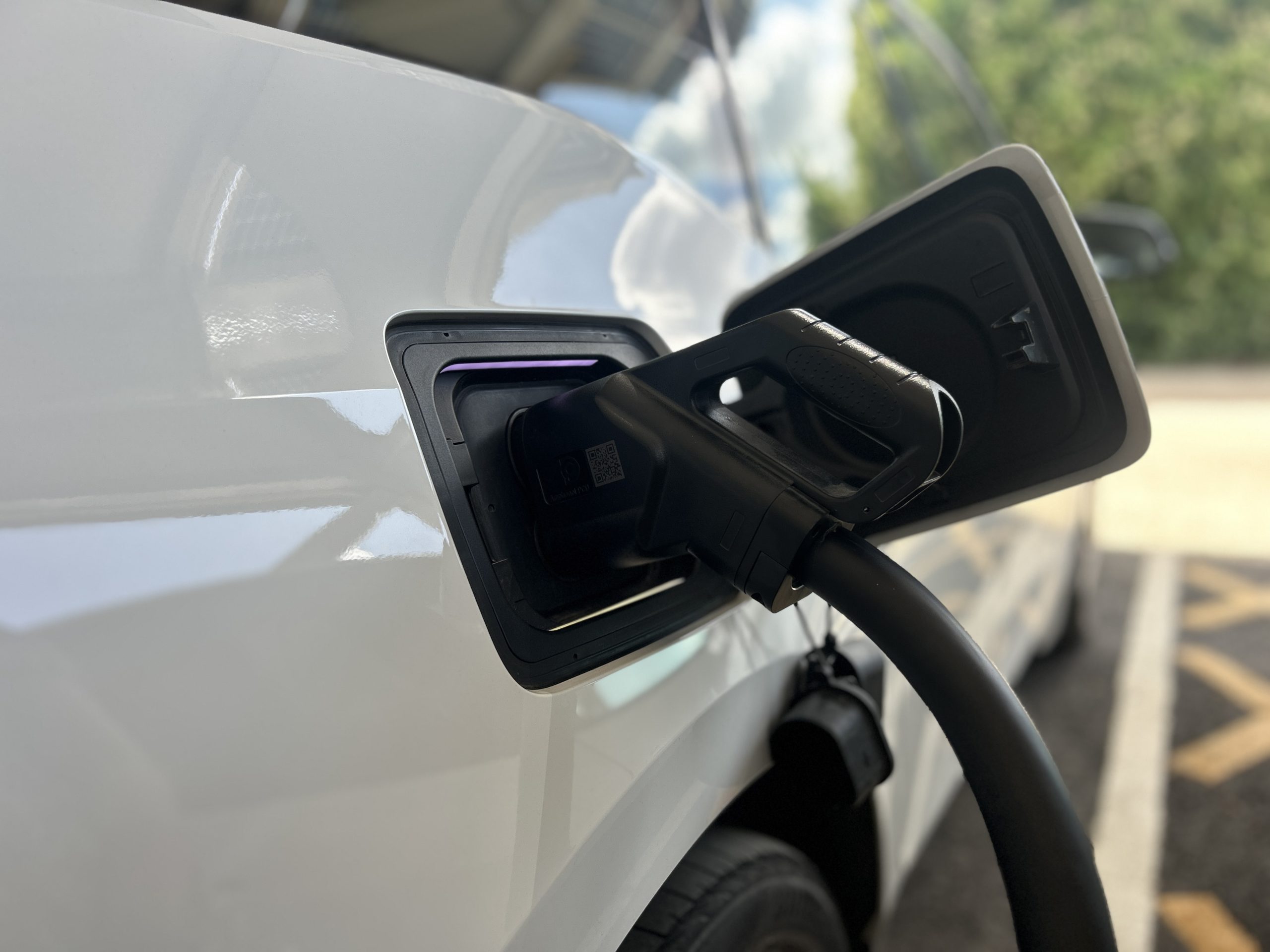
Keeping commercial electric vehicles on the move requires reliable ultra rapid charging stations positioned along major UK transport corridors. To keep your fleet running cleanly without unnecessary downtime, Tap Zap Go operates high performance 120 kW CCS2 ultra rapid charging hubs powered by renewable solar energy.
Drivers can simply tap a bank card to charge with no apps, no RFID cards, and no subscription fees required.
Strategic Charging Locations
-
Strood, Medway (Kent): Whitewall Centre, Whitewall Road, Medway City Estate, Strood, Kent, ME2 4DZ What3words location: crop.cones.haven
-
Castleford (West Yorkshire): Willowbridge Lane, Castleford, West Yorkshire, WF10 5NW What3words location: brink.bubble.coarser
-
Membury Services (Berkshire): Beside Westbound Membury Services, Lambourn Woodlands, Hungerford, Berkshire, RG17 7TJ What3words location: mallets.butchers.umbrella
These strategically placed hubs allow commercial drivers to top up efficiently mid journey across Kent, West Yorkshire, and along the crucial M4 motorway corridor in Berkshire.
Take Control of Your Corporate Carbon Footprint
Decarbonising your corporate transport strategy is essential for meeting UK Net Zero targets and maintaining a competitive edge in modern commerce. By combining flexible electric vehicle rental options from EVision Electric Vehicles with transparent, ultra rapid green charging from Tap Zap Go, your business can reduce operational emissions, satisfy regulatory reporting standards, and build a cleaner future towards net zero.
Information correct at the time of publishing on 14th August 2026.