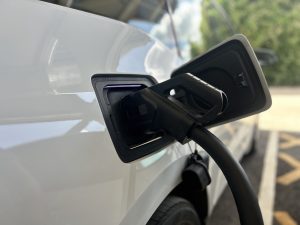
A quiet transformation has taken place across the United Kingdom with EVs and public EV chargers. Over the last decade, catching sight of a car with a green flash on its registration plate has shifted from a rare novelty to an everyday reality. Today, the automotive landscape looks entirely different. Electric vehicles (EVs) have moved from the fringes of technology straight into the mainstream, reshaping how we travel, commute, and plan our journeys.
This rapid rise in popularity is not merely a passing trend. It represents a fundamental shift in British transport culture, driven by environmental awareness, improving vehicle ranges, and a collective push for cleaner air in our towns and cities. As thousands of motorists make the switch every month, the conversation has moved away from whether electric vehicles are viable to a more practical consideration: how we keep them moving. For the modern driver, access to efficient, reliable public ev chargers has become just as essential as the traditional roadside petrol station once was.
Mapping the Numbers: Ten Years of Staggering Growth
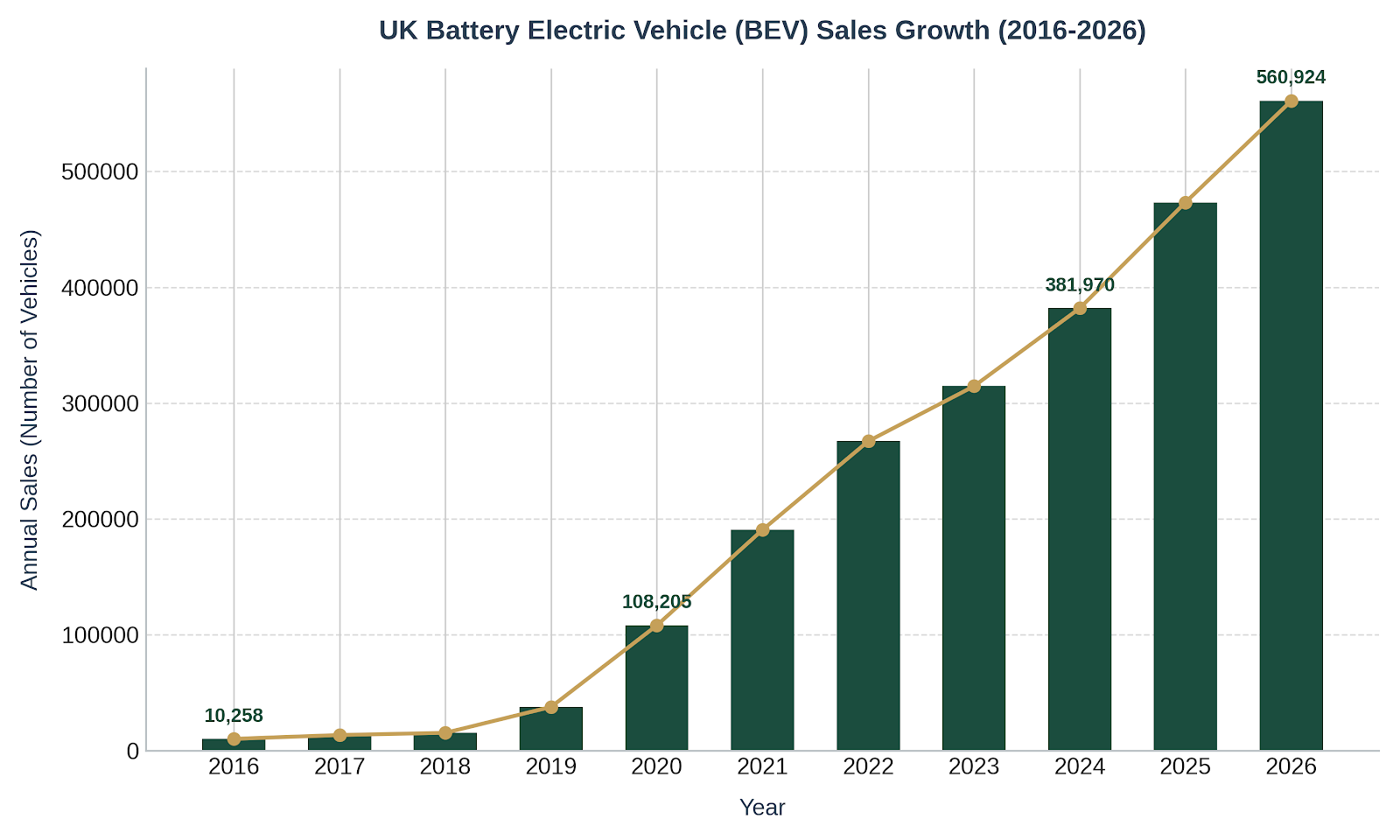
To truly appreciate how far the UK has come, it is worth looking back at the data from the past decade. In 2016, the British electric vehicle market was in its infancy. Data from that period reveals that new battery electric vehicle (BEV) registrations across the entire country were exceptionally low, numbering just over 10,000 vehicles annually. At that stage, driving an electric car required an immense amount of forward planning, pioneering patience, and a willingness to navigate an experimental network of early-stage infrastructure.
By 2020, despite global economic challenges and lockdowns, momentum began to build rapidly, pushing annual new electric registrations past the 100,000 milestone for the first time. Fast forward to 2026, and the transformation is staggering. Current registration trends show that annual new battery electric vehicle sales in the UK have soared to over 560,000 units, accounting for a massive share of the entire new car market.
The chart illustrates this extraordinary ten-year trajectory, highlighting how a niche technology grew into the dominant force in British automotive sales.
This commercial trajectory shows that the electric vehicle is no longer a luxury alternative; it is the default choice for a significant portion of the population. The introduction of the Zero Emission Vehicle (ZEV) mandate, which requires manufacturers to hit escalating targets for zero-emission sales each year, has further solidified this trend. Millions of electric vehicles are now actively licensed on UK roads, creating a diverse community of motorists ranging from urban commuters to long-distance commercial fleet drivers.
Why Infrastructure is the Real Driver of Adoption
As vehicle numbers have multiplied, the focus has shifted firmly toward the charging experience. Early adopters were often content with slow overnight charging at home, but the new generation of electric motorists includes flat dwellers, terraced house residents, and high-mileage drivers who rely entirely on the wider network. The success of the electric transition relies heavily on the availability of robust public ev chargers that fit seamlessly into everyday routines.
Range anxiety, which used to be the primary concern for prospective buyers, has largely been replaced by charging anxiety. Drivers no longer worry about whether their vehicle can cover the distance, but rather whether they will find a working, available charger when they arrive at their destination. This is why the strategic placement of charging hubs is so critical. Charging should not feel like an administrative chore or a stressful detour; it should be an effortless pause in a journey, located precisely where drivers naturally want to stop.
High-quality public ev chargers infrastructure serves as the backbone of economic confidence. When local businesses, commuters, and delivery fleets see accessible chargers appearing in their areas, the decision to transition away from internal combustion engines becomes an easy choice rather than a calculated risk.
Tap Zap Go: Powering Communities Across the Nation
At Tap Zap Go, we believe that the electric transition should be inclusive, straightforward, and accessible to every corner of the country. We do not just focus on major city centres or massive motorway services; we build dependable charging options where real people live, work, and travel. By establishing rapid, easy-to-use public ev chargers in key regional hubs, we are helping to bridge the gap between local driving habits and national environmental goals.
Our commitment to regional connectivity is perfectly demonstrated by our carefully chosen charging locations across England.
In Kent, our Strood charging station provides a vital resource for motorists navigating the busy Medway area. Whether you are a local resident without off-street parking or a commuter heading toward London or the coast, this installation ensures you have access to a rapid top-up exactly when you need it.
Further west, our Hungerford facility supports drivers moving through Berkshire and the beautiful North Wessex Downs. This location offers a seamless charging solution for both rural residents and long-distance travellers looking for a reliable pit stop along major transit corridors.
Up in Yorkshire, our Castleford station caters to the vibrant communities of the North. Positioned ideally for local shoppers, regional businesses, and those passing through the busy Yorkshire transport grid, it delivers the high-speed charging performance that modern schedules demand.
Every Tap Zap Go station is designed with simplicity at its core. We have eliminated complicated registration processes, mandatory apps, and restrictive membership models, allowing drivers to simply tap their card, zap their vehicle with a clean surge of power, and go about their day.
Looking Forward to a Cleaner Future
The journey from 2016 to 2026 has proven that British motorists are ready and willing to embrace a cleaner way of driving. As the technology continues to mature and vehicle choices become even more affordable, the demand for high-quality charging networks will only intensify.
The next ten years will be about refining that experience, ensuring that every driver, regardless of where they live or what they drive, feels entirely supported by the infrastructure around them. Tap Zap Go is proud to be part of that future, delivering the reliable public ev chargers that keep Strood, Hungerford, Castleford, and the rest of the United Kingdom moving forward into a cleaner, quieter, and more sustainable era.
Information known to be correct at the time of posting on 17/07/2026.